
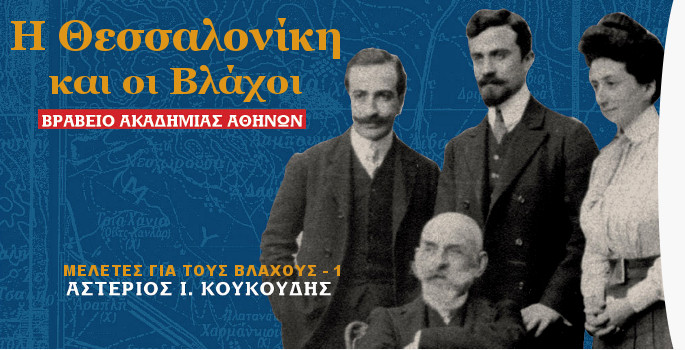
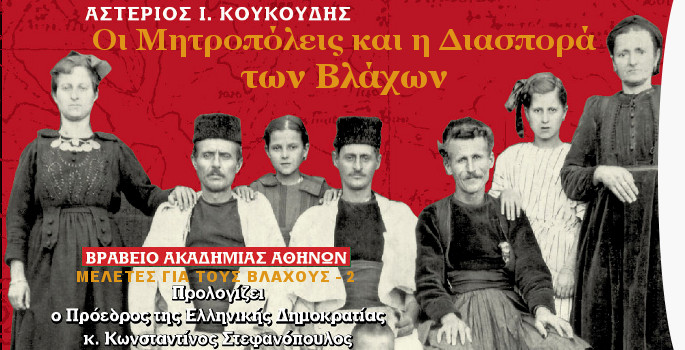

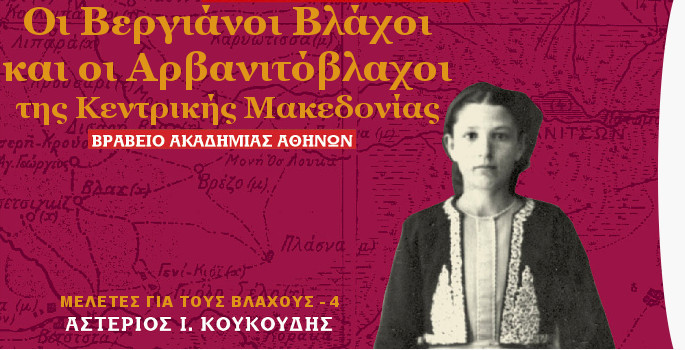


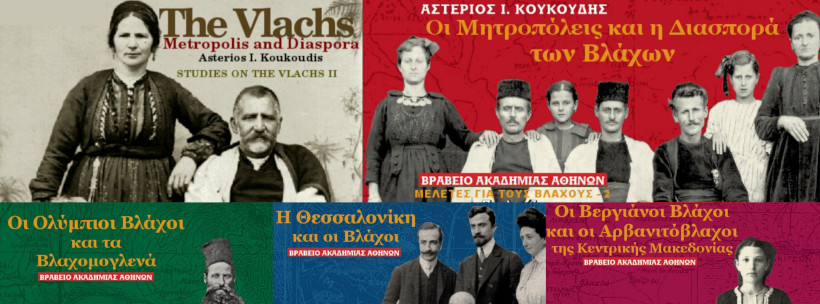
 Η τετράτομη εργασία «Μελέτες για τους Βλάχους», του βραβευμένου συγγραφέα και ιστορικού ερευνητή Αστέριου Κουκούδη, καθώς και το σύνολο των φωτογραφιών που συλλέχθηκαν και χρησιμοποιήθηκαν στις εκδόσεις αυτές, παραχωρήθηκαν σε ψηφιακή μορφή από τον κ. Δημήτρη Κουκούδη στη Δημόσια Κεντρική Βιβλιοθήκη της Βέροιας.
Το άοκνο και άρτια καταρτισμένο προσωπικό της, μετά από συστηματική και επίπονη εργασία, προχώρησε στη δημοσιοποίηση του υλικού αυτού κάτω από τη φιλοξενία της «Μέδουσας», της ψηφιακής της βιβλιοθήκης. Για να δείτε το υλικό αυτό μπορείτε είτε να ακολουθήσετε τους παρακάτω συνδέσμους είτε να το ανακαλύψετε μέσα από την σελίδα μας.
Η Θεσσαλονίκη και οι Βλάχοι, Οι Μητροπόλεις και η διασπορά των Βλάχων, Οι Ολύμπιοι Βλάχοι και τα Βλαχομογλενά, Οι Βεργιάνοι Βλάχοι και οι Αρβανιτόβλαχοι της Κεντρικής Μακεδονίας - Η φωτογραφική «συλλογή» Αστέριου Κουκούδη
 Τον περασμένο Φεβρουάριο συμπληρώθηκαν 2 χρόνια από τότε που ο βραβευμένος συγγραφέας και ιστορικός ερευνητής Αστέριος Κουκούδης «έφυγε» αιφνίδια από τη ζωή.
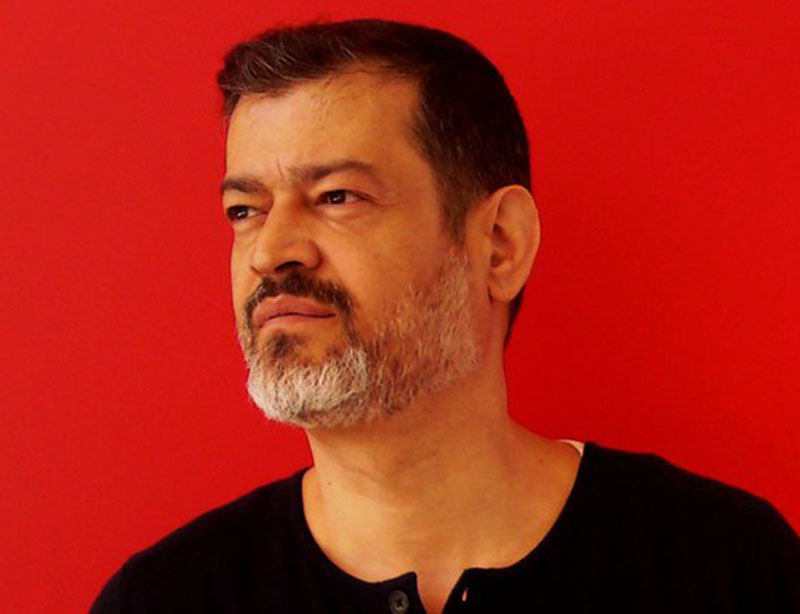 Όλο το ερευνητικό αρχείο και τα πνευματικά δικαιώματα των συγγραμμάτων του ιστορικού Αστέριου Κουκούδη βρίσκονται πλέον στην Δημοσια Βιβλιοθήκη Βέροιας, μετά από επιθυμία του που υλοποιήθηκε ύστερα από την πρόωρη εκδημία του. Η Δημόσια Βιβλιοθήκη Βέροιας έχει την υποχρέωση, μετα την αποδοχή της δωρεάς, να στελεχώσει ειδικό τμήμα έρευνας για τους Βλάχους! Η ιστοσελίδα vlachs.gr θα συνεχίσει να λειτουργεί και να ενημερώνεται υπό την εποπτεία του κ. Δημήτρη Κουκούδη.
Η εργασία «Μελέτες για τους Βλάχους» του Αστέριου Ι. Κουκούδη πραγματοποιήθηκε μέσα στο ερευνητικό πλαίσιο του Μουσείου του Μακεδονικού Αγώνα στη Θεσσαλονίκη το χρονικό διάστημα 1994-1997.
Το 1998 έλαβε βραβείο του Τμήματος Γραμμάτων και Τεχνών της Ακαδημίας Αθηνών. Η έκδοσή της τετράτομης αυτής εργασίας πραγματοποιείται με πρόλογο του Προέδρου της Ελληνικής Δημοκρατίας κυρίου Κωνσταντίνου Στεφανόπουλου και με την ενίσχυση του Ινστιτούτου Αμυντικών Αναλύσεων του Υπουργείου Εθνικής Αμύνης.
Εκ πρώτης όψεως οι «Μελέτες για τους Βλάχους» του Αστέρη Κουκούδη είναι ένα τεράστιο ευρετήριο όλων των βλάχικων εγκαταστάσεων στη Νότια Βαλκανική. Το ευρετήριο αυτό περιλαμβάνει μία ιστορική αναδρομή για τις ομάδες των βλάχικων μητροπολιτικών οικισμών και μία εκτενέστερη καταγραφή της ιστορίας των βλάχικων οικισμών και εγκαταστάσεων στην Κεντρική Μακεδονία.
Τω Εντιμοτάτω κυρίω Αστερίω I. Κουκούδη, τέκνω της ημών Μετριότητος εν Κυρίω αγαπητώ, χάριν και ειρήνην παρά Θεού.
Ασμένως ελάβομεν την τε από ιγ' παρελθόντος μηνός Ιουλίου επιστολήν και τον υπό της υμετέρας αγαπητής Εντιμότητος προφρόνως αποσταλέντα ημίν πρώτον τόμον του πονήματος αυτής, τιτλοφορούμενον " Οι μητροπόλεις και η διασπορά των Βλάχων ", αναφερόμενον εις την ιστορίαν των Βλάχων και αποδεικνύοντα κατά τρόπον σαφή την ελληνικήν καταγωγήν αυτών, όνπερ και μετά πολλού ενδιαφέροντος διεξελθόντες κατέθεμεν εν τη καθ' ημάς Πατριαρχική Βιβλιοθήκη.
Θυμάμαι τον Γκραίκο παππού μου, τον μπάρμπα-Τζιόρτζη να με ρωτά, σαν πήγαινα στο χωριό της μητέρας μου στο Ρουμλούκι: “Τι είσαι βρε 'συ, Ρωμιός για Βλάχος;” Ενώ στη Βέροια, ο Βλάχος παππούς μου, ο λάλα-Στέργιος, με ρωτούσε στα βλάχικα: “Τσε χι τίνι, Αρμούν ια Γκρέκ;” (Τι είσαι εσύ, Αρμούνος ή Γκραίκος;). Και εγώ, μη θέλοντας να τους κακοκαρδίσω, έδινα στον καθένα τους την απάντηση που ήθελε να ακούσει. Ήταν χρόνια αργότερα, όταν κατάλαβα πως και οι δυο τους ήθελαν να τους πω το ίδιο πράγμα, μα ο καθένας τους ήθελε να το ακούσει στη δική του γλώσσα.
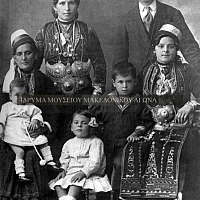
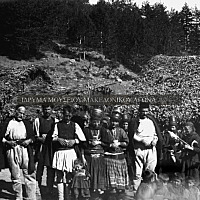
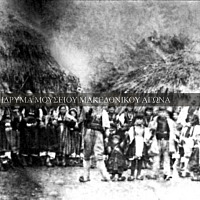
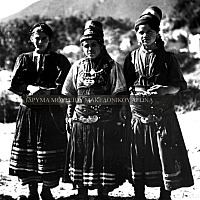
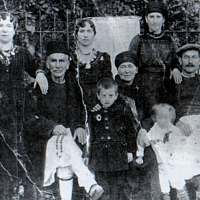
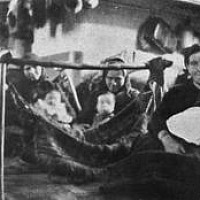
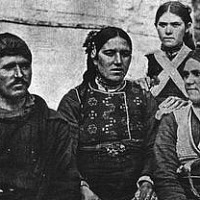
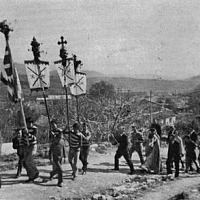
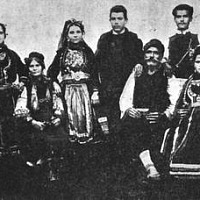
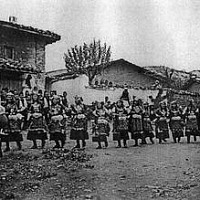
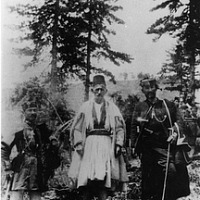
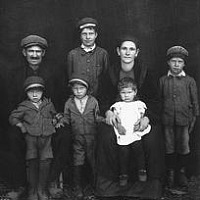
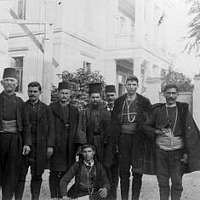
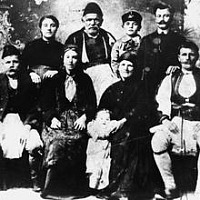
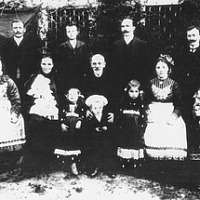
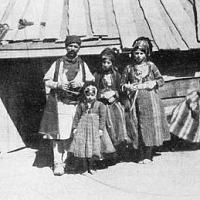
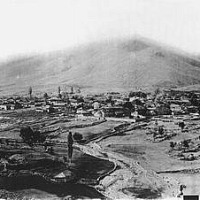
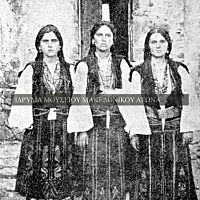
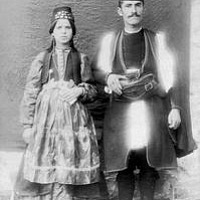
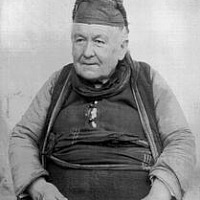
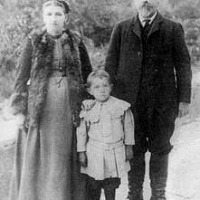
Απο την ζωή των Βλαχων στα 1900
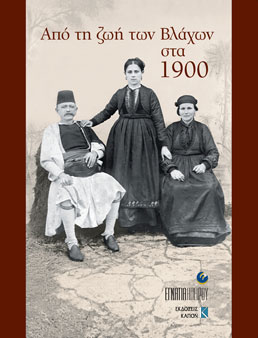
Φωτογραφική «Συλλογή» Αστέριου Κουκούδη
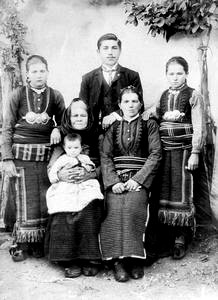
Αποσπάσματα απο την τετράτομη εργασία «Μελέτες για τους Βλάχους»
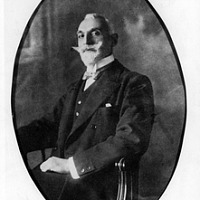
Διάφορα άρθρα
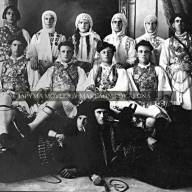
Ηράκλεια Σερρών: Μια συλλογική βλάχικη οδύσσεια
Όταν αναζητούμε τους σημαντικότερους βλάχικους οικισμούς ή τις εγκαταστάσεις, η Ηράκλεια Σερρών σπάνια συμπεριλαμβάνεται ανάμεσα στους πλέον προβεβλημένους. Παραμένει μία σχετικά άγνωστη περίπτωση,...
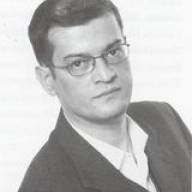
Αστέριος Κουκούδης: Οι Βλάχοι κάνουν την Ελλάδα πιο πλούσια και πιο ισχυρή!
Εις μνήμην του ερευνητή, συγγραφέα και εκπαιδευτικού Αστέριου Κουκούδη, που “έφυγε” σε ηλικία 50 χρονών, στις 27 Φεβρουαρίου 2018, η ιστοσελίδα Πεμπτουσία αναδημοσίευσε μια παλαιότερη συνέντευξή του...
Χαρτογραφώντας τη βλάχικη διασπορά στα Βαλκάνια
Εισαγωγικά - ιστορικές διευκρινίσεις Ο όρος εθνισμός (ethnicity) (Αγγελόπουλος 1997: 18-25, Williams 1989: 401-444. Barth 1969, Danfort, 1995, Hobsbawm, 1990) προσδιορίζει τις κοινωνικές σχέσεις...
Αρβανιτόβλαχοι στο Βέρμιο και το Βόρρα: ένα συμβόλαιο ενοικίασης καλυβικής εγκατάστασης, αρχές 20ού αιώνα
Αν και τα βοσκοτόπια των βόρειων πλαγιών του Βερμίου θα πρέπει να ήταν γνωστά στα φαλκάρια των Αρβανιτόβλαχων που έφτασαν ήδη από τα μέσα του α' μισού του 19ου αιώνα στην ευρύτερη περιοχή, ανάμεσα...
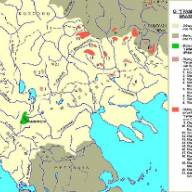
Απο την Πίνδο ως την Ροδόπη, αναζητώντας τις εγκαταστάσεις και την ταυτότητα των Βλάχων
1.1. Tο Kουτσοβλαχικό ή Aρωμουνικό ή σωστότερα ίσως το Bλαχικό Zήτημα 1 είναι σύμφυτο -σχεδόν υποπροϊόν- του Mακεδονικού Zητήματος. Aν και η ονομασία δεν βρίσκει σύμφωνη τη βιβλιογραφία, ωστόσο...
Η ένταξη των Βεργιάνων Βλάχων στην Ελληνική Πολιτεία: προκλήσεις, αποκλίσεις και επιπτώσεις, (1912-1940)
Παρά τα όποια προβλήματα προσαρμογής των πρώτων ημερών της απελευθέρωσης και σε αντίθεση με τους αναμενόμενους φόβους για πράξεις αντεκδικήσεις 1 , πολύ σύντομα, οι ομάδες των ρουμανιζόντων Βλάχων...
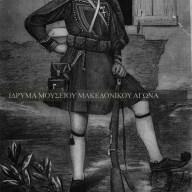
Ομιλία για την επέτειο του Μακεδονικού Αγώνα
Αγαπητά μας παιδία, Φέτος συμπληρώνονται 100 χρόνια, δηλαδή ένας ολόκληρος αιώνας, από τότε που η Θεσσαλονίκη και η Μακεδονία απελευθερώθηκαν και εντάχθηκαν μαζί με άλλες περιοχές της πατρίδας μας...
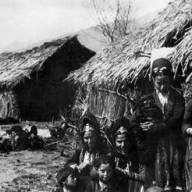
Βλάχικοι νομαδοκτηνοτροφικοί πληθυσμοί, οικισμοί και εγκαταστάσεις στο Σαντζακι Σερρών στα 1900
Είναι γνωστό [1] από την ιστοριογραφία περί Βλάχων πως μία σειρά από ιστορικά γεγονότα, στα τέλη του 18ου και τις αρχές του 19ου αιώνα, στάθηκαν αφορμές και αιτίες για τη μαζική διασπορά βλάχικων...
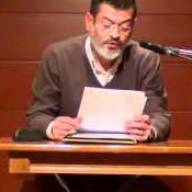
Οι Βλαχοι στη Ναουσα του 1821: Στοιχεία και ενδείξεις διαχρονικής παρουσίας
Οι διάφορες μελέτες αναγνωρίζουν το ιστορικό γεγονός πως τα σημερινά βλαχοχώρια και οι εγκαταστάσεις των Βλάχων στην περιοχή του Βερμίου, της Βέροιας και της Νάουσας είναι αποτέλεσμα πληθυσμιακών...
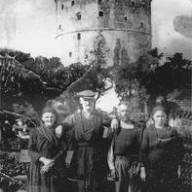
Η συμβολή των Βλάχων στον ελληνικό αστισμό: Το παράδειγμα της Θεσσαλονίκης, 1821-1912
Είναι αλήθεια πως, μέχρι και σήμερα, κυριαρχούν κάποιες ισχυρά στερεότυπες αντιλήψεις περί Βλάχων. Δυστυχώς, είναι πολλοί αυτοί που αγνοούν τις πολλαπλές οικονομικές δραστηριότητες και το εύρος της...
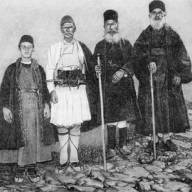
Βλάχικες αστικές εγκαταστάσεις στη Δυτική Μακεδονία (τέλη 19ου - αρχές 20ού αιώνα)
Τα βλαχοχώρια της σημερινής Δυτικής Μακεδονίας αναπτύχθηκαν στα ορεινά και τις διαβάσεις της περιοχής ως δορυφόροι ενός οικιστικού συστήματος με αναμφισβήτητο μητροπολιτικό κέντρο την περιοχή στη...
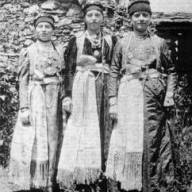
Η Βλάχικη παρουσία στην περιοχή της Καστοριάς
Είναι γνωστό πως η παλαιότερη σαφής αναφορά για την παρουσία βλάχικων πληθυσμών στον ελληνικό χώρο και γενικότερα στη νότια Βαλκανική, πολύ κάτω από το Δούναβη, χρονολογείται στα 976. Εκείνη τη...
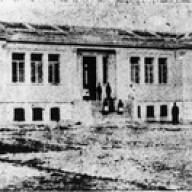
Το ιστορικό των Βλάχων της Ηράκλειας
Όταν αναφερόμαστε στους διάφορους βλάχικους οικισμούς και τις εγκαταστάσεις, η Ηράκλεια Σερρών σπάνια συμπεριλαμβάνεται ανάμεσα σε αυτούς. Παραμένει μία από τις πλέον άγνωστες περιπτώσεις. Ωστόσο,...
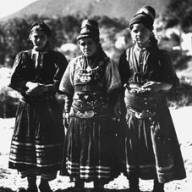
Οι εγκαταστάσεις των Αρβανιτόβλαχων στην Μακεδονία
Τα χρόνια και τα γεγονότα που συνδέονται με την επανάσταση του 1821 αποτέλεσαν μία χρονική και ιστορική καμπή για τη γεωγραφική χωροθέτηση των Αρβανιτόβλαχων στη Βαλκανική. Μέχρι τότε μπορούμε να...
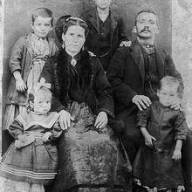
Οι εγκαταστάσεις των Βλάχων στην Κατερίνη στις αρχές του 20ου αιώνα
Σταδιακά και από τις αρχές του 19ου αιώνα, η Κατερίνη εξελίχθηκε σε διοικητικό και εμπορικό κέντρο της περιοχής ανάμεσα στα Πιέρια και τον Όλυμπο. Εκείνη την εποχή, η περιοχή της Πιερίας αποτελούσε...
Αστική Σχολή Βαρδαρίου, 1897-1922: ιστορικές τομές και προέλευση μαθητών
Η Αστική Σχολή Βαρδαρίου υπήρξε το δεύτερο πρωτοβάθμιο εκπαιδευτήριο για αγόρια που έθεσε σε λειτουργία η ελληνορθόδοξη κοινότητα Θεσσαλονίκης, μετά από αυτό της Κεντρικής Αστικής Σχολής. Το...
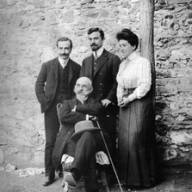
Η Θεσσαλονίκη των κοινωτικών αντιπαραθέσεων και η εμπλοκή του Βλάχικου στοιχείου, 1900-1912
Η παρουσία στη Θεσσαλονίκη ενός μικρότερου ή μεγαλύτερου αριθμού ορθόδοξων χριστιανών βλάχικης καταγωγής επιβεβαιώνεται, μέσα από αρχειακές πηγές, καθ’ όλη τη διάρκεια της οθωμανικής κυριαρχίας. Στα...
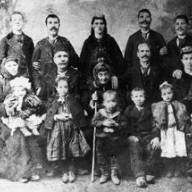
Πληθυσμιακές έξοδοι από τον Ασπροπόταμο, τέλη 18ου - αρχές 19ου αιώνα
Όταν γύρω στα 1770 ξέσπασε το κίνημα των Ορλωφικών, τα βλαχοχώρια του Ασπροποτάμου βρίσκονταν σε μία πορεία ανάπτυξης, όπως κι άλλες ορεινές και προνομιούχες, για τα τότε δεδομένα, περιοχές της...
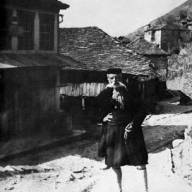
Σαρακατσαναίοι και Βλάχοι: ομοιότητες και διαφορές
Τις τελευταίες δεκαετίες, μία πληθώρα βιβλίων με αντικείμενο τους Βλάχους και τους Σαρακατσαναίους έχει κατακλίσει τα ράφια των βιβλιοπωλείων. Ενθαρρυντικό είναι επίσης το γεγονός πως πολλά από αυτά...
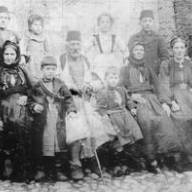
Η διασπορά των Γραμμουστιάνων στα 1900
Η διασπορά των Βλάχων από την περιοχή του Γράμμου ήταν εξίσου μεγάλη, όσο και αυτή από την περιοχή της Μοσχόπολης. Εξάλλου, και στις δύο περιπτώσεις τα αίτια ήταν τα ίδια, και κυρίως οι προστριβές...
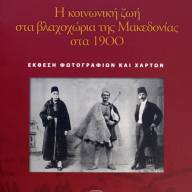
Η κοινωνική ζωή στα βλαχοχώρια της Μακεδονίας στα 1900
Η βλάχικη διάσταση της Ελλάδας την κάνει πιο «πλούσια και ισχυρή» Μια ιδιαίτερα ενδιαφέρουσα έκθεση θα παρουσιαστεί στο Νυμφαίο της Φλώρινας από τις 11 ως τις 20 Αυγούστου. Πρόκειται για την έκθεση...
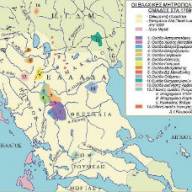
Σύγχρονη Βλάχικη ταυτότητα και πραγματικότητα στην Ελλάδα
Αγαπητές κυρίες και κύριοι, Θα ήθελα να σας ευχαριστήσω για την πρόσκλησή σας να παραβρεθώ και να συμμετέχω στις εορταστικές εκδηλώσεις της Society Farcarotul για τα εκατό χρόνια από την ίδρυσή της....
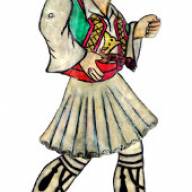
Προτάσεις Πολιτικής
Πριν ασχοληθούμε πιο διεξοδικά με το θέμα επιτρέψτε μου να απαντήσω, με έναν έμμεσο τρόπο, σε ένα πολύ βασικό ερώτημα. Ίσως το πιο βασικό και κυρίως για αυτούς που θέλουν να βλέπουν τα πράγματα στην...
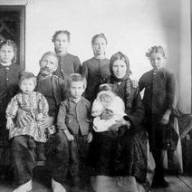
Το ιστορικό των Βλάχων της Ανατολικής Μακεδονίας
1. Οι απαρχές Τα βλάχικα, αν και ποτέ δε συγκρότησαν μια ομογενοποιημένη, κωδικοποιημένη και κοινά αποδεκτή μορφή, είναι σίγουρο πως πρέπει να αντιμετωπίζονται ως μια λατινογενής ή αλλιώς...
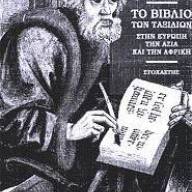
Η Μεγάλη Βλαχία και η βυζαντινή κοινοπολιτεία (13ος - 14ος αιώνας)
Είναι γνωστό πως ο εθνονυμικός όρος «Βλάχος» και κατ’ επέκταση το παράγωγο τοπωνύμιο «Βλαχία», όπως κι ο επιθετικός προσδιορισμός «βλάχος», είναι όροι πολύ γενικοί. Έχουν υιοθετηθεί και ενσωματωθεί...
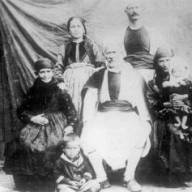
Οι Βλάχοι στο θεσσαλικό τον κάμπο
Καλησπέρα κυρίες και κύριοι, Απόψε, εδώ στην καρδιά του θεσσαλικού κάμπου, συναντιόμαστε για να γιορτάσουμε και να διασκεδάσουμε, Καραγκούνηδες, Βλάχοι και Σαρακατσαναίοι. Η αντάμωσή μας δε θα...
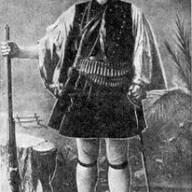
Οι Βλάχοι στα χρόνια της παλιγγενεσίας
Με την ευκαιρία αυτής της λαμπρής εκδήλωσης του οργάνωσε ο Πολιτιστικός Συλλόγου Βλάχων Θέρμης και Τριαδίου “Ο Άγιος Νικόλαος” και μας παρουσιάζει ο Σύλλογος Βλάχων Ν. Σερρών “Γεωργάκης Ολύμπιος”,...
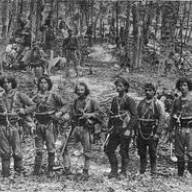
Στα 1907 οι κάτοικοι της Κατερίνης διαμαρτύρονται για τη δράση της Ρουμανικής Προπαγάνδας
Συνεχίζοντας τις δημοσιεύσεις για τις επιστολές διαμαρτυρίας των Βλάχων της Πιερίας για τη δράση της Ρουμανικής Προπαγάνδας κατά την περίοδο του Μακεδονικού Αγώνα, παρουσιάζουμε τον κατάλογο των 444...
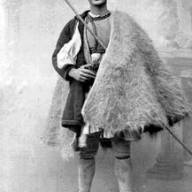
Ο κτηνοτροφικός νομαδισμός των Βλάχων
Για να γίνει καλύτερα κατανοητός ο πολιτισμικός χαρακτήρας των ημινομαδικών βλαχοχωριών των Γρεβενών θα ήταν σωστότερο να γίνει μία ιστορική αναδρομή και μία προσπάθεια εξήγησης για το πως οι Βλάχοι...
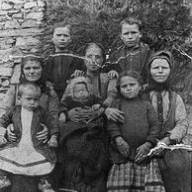
Τα Μεγάλα Λιβάδια του Πάικου
Τα Μεγάλα Λιβάδια, μία από τις τελευταίες εξαιρεθείσες και εναπομείναντες κοινότητες της Ελλάδας, υπάγονται στην επαρχία Παιονίας του νομού Κιλκίς. Είναι κτισμένα πάνω στο κεντρικό οροπέδιο του...
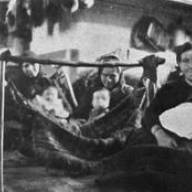
Τα ονόματα των Βλάχων
Πολλά έχουν γραφτεί γύρω από την ονοματολογία των Βλάχων και είναι μάλλον αναγκαίο να γίνει μία προσπάθεια παρουσίασης των διάφορων ονομάτων με τα οποία είναι γνωστοί οι Βλάχοι. Θα πρέπει να...
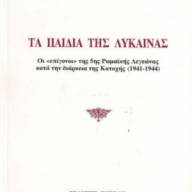
Τρία βιβλία Βλάχικου ενδιαφέροντος
1. Παπαγιάννης, Σταύρος Αστερίου, “ Τα Παιδιά της Λύκαινας. Οι “επίγονοι” της 5ης Ρωμαϊκής Λεγεώνας κατά τη διάρκεια της Κατοχής (1941-1944) ”, Εκδόσεις Σόκολη, Αθήνα 1999. Ο κύριος Παπαγιάννης...
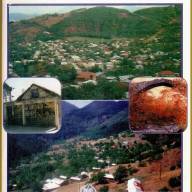
Μονογραφίες για τα Βλαχοχώρια
Ο εκμοντερνισμός των πάντων μέσα στις τελευταίες δεκαετίες ίσως δημιουργεί την αίσθηση σε ορισμένους πως οι Βλάχοι δεν πολυενδιαφέρονται για την ιστορία και τις παραδόσεις τους. Και πως με την...
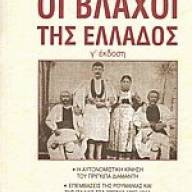
Βιβλιοκριτική για το βιβλίο του Α. Ανθεμίδη περί Βλάχων
Ο κύριος Αχιλλέας Ανθεμίδης έγραψε ένα βιβλίο 350 σελίδων με τίτλο "Οι Βλάχοι της Ελλάδος", αγνοώντας ή παραγνωρίζοντας ουσιαστικά τους Βλάχους και την ιστορία τους. Μπορεί να μεγάλωσε στην περιοχή...
Τηρουμένων των αναλογιών
Είναι γνωστό πως εκτός από τους ίδιους τους Βλάχους υπάρχουν αρκετοί που παρουσιάζονται να ενδιαφέρονται για τα “βλάχικα πράγματα”. Το να ενδιαφέρονται κάποιοι για μας ή να παρουσιάζονται πως...